AGP Executive Report
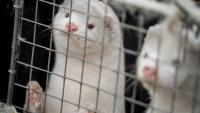
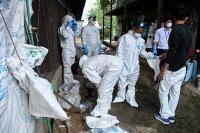
Last update: 44 minutes agoBird-Flu Watch: H5N1 has circulated at a central Utah mink farm since mid-August. Genetic tests found a mutation also seen in Spain’s mink outbreak, while officials have not ordered a cull or worker monitoring. Experts warn that harvest season could increase exposure; the risk to the general public remains low. Data-Center Rules: Iron County approved new rules for large data centers and energy projects, then ended its moratorium early despite calls to delay. With Utah’s power supply strained, many planned data centers are preparing to bring their own energy. Clean Energy: Fervo Energy has started commercial geothermal power at Cape Station, while Utah State University has doubled its solar capacity and added its first large-scale battery. Utah Biotech: Seek Labs received up to $3 million in foundation support to expand oncology research. Tech Business: Francisco Partners completed its $650 million acquisition of Lehi-based Weave, which says it will keep operating in Utah under its current name.
Note: AI summary from news headlines; neutral sources weighted more to help reduce bias in the result. Feedback is welcome. Please let us know if you have any comments or suggestions about the AGP Executive Report.

 Perspectify News